Case
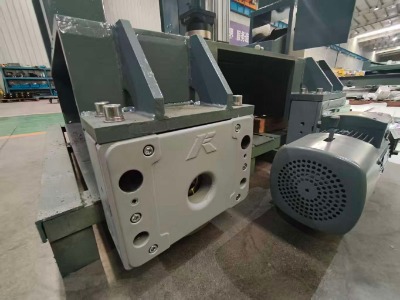
DRS 315 Wheel Block for Demag Overhead Cranes in Thai
Eliminate frequent crane downtime and wheel flange wear. This case study details how replacing OEM wheels with the DRS 315 System improved efficiency for a major automotive manufacturer, extending maintenance intervals from 1 to 6 months.
A major automotive parts manufacturer in Thailand, specializing in supplying heavy precision components—such as engine blocks and chassis structural parts—to global mainstream automakers, established a new factory in the Eastern Industrial Estate of Bangkok. To meet an annual production capacity demand of 500.000 component sets, the facility purchased 12 DEMAG overhead cranes for the lifting, transfer, and production line loading/unloading of heavy workpieces.
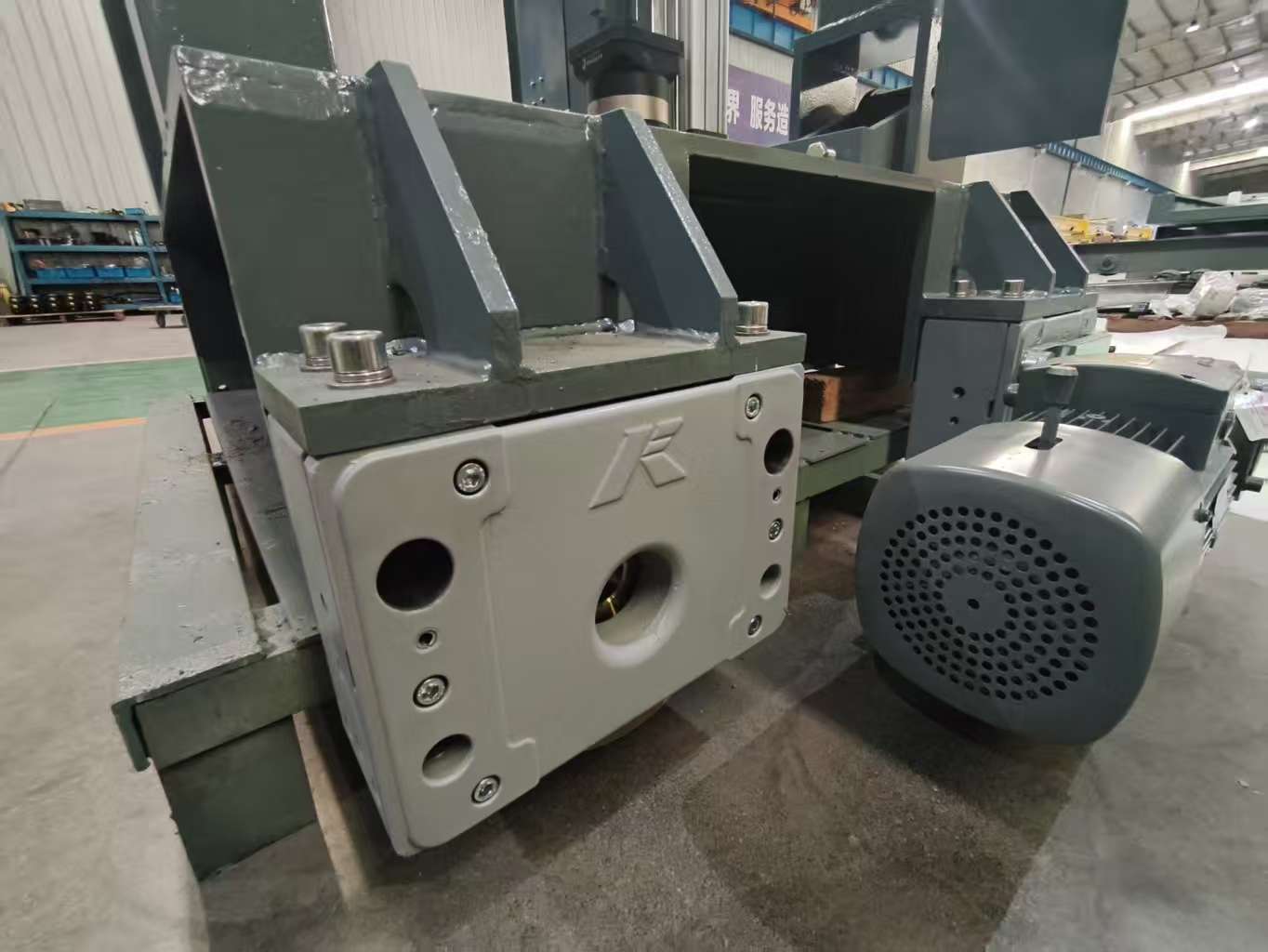
However, during the 3-month trial operation phase, the cranes' original wheel sets exhibited significant adaptability issues. Problems such as frequent flange wear and bearing overheating/seizure occurred, necessitating shutdowns for maintenance 2-3 times per month. With each maintenance session taking over 4 hours, this severely impacted the continuous operation efficiency of the production line. Furthermore, interruptions in heavy lifting operations posed a risk of delayed order deliveries, causing direct economic losses to the enterprise.
Solution: The DRS 315 Wheel Block System
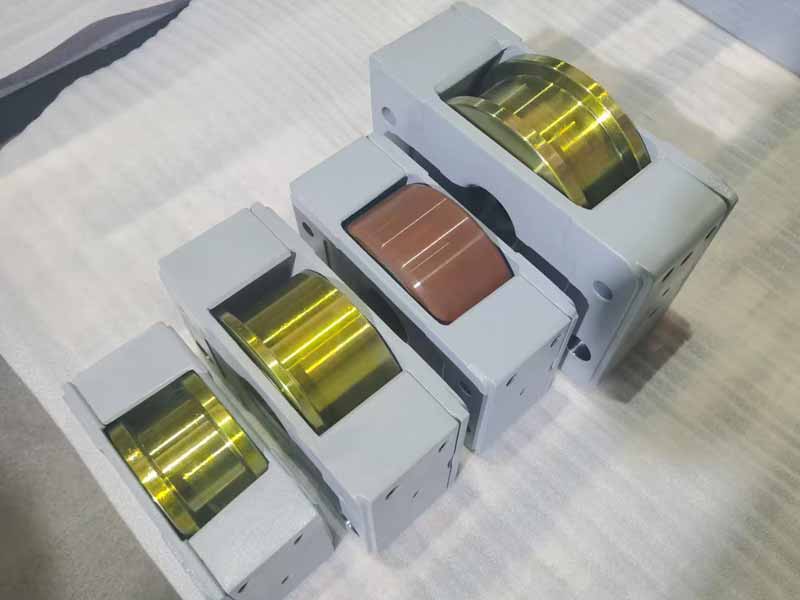
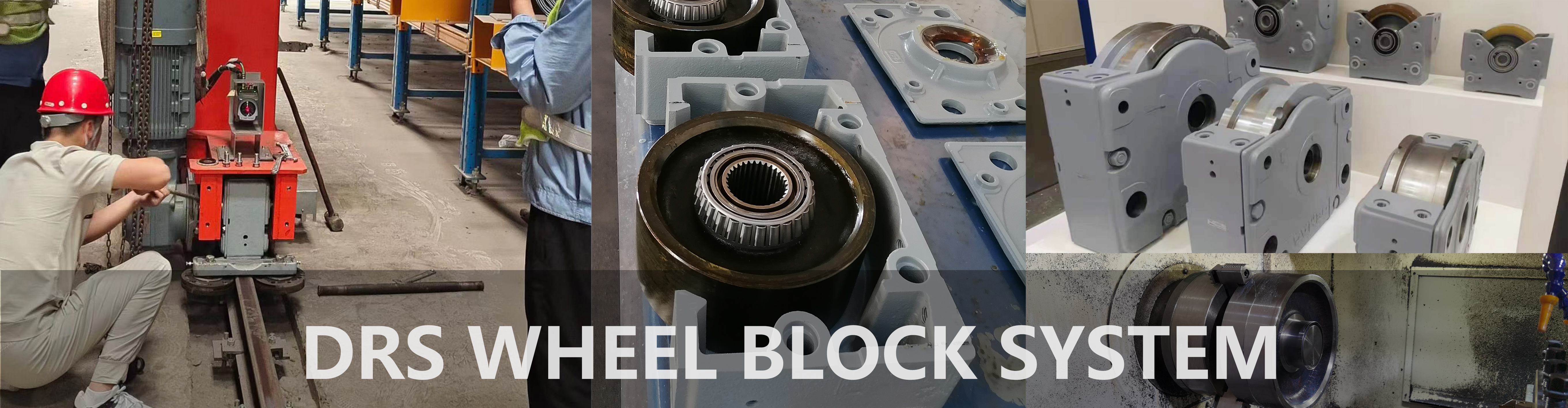
Following multiple rounds of operating condition simulations and material adaptability analyses, the DRS 315 Wheel Block System was selected to comprehensively upgrade the 12 DEMAG overhead cranes. As a high-end component designed specifically for heavy-duty cranes, the DRS 315 system resolved the on-site pain points through customized structural design and high-performance material selection.
Core Advantages:
1. Superior Load-Bearing & Wear Resistance
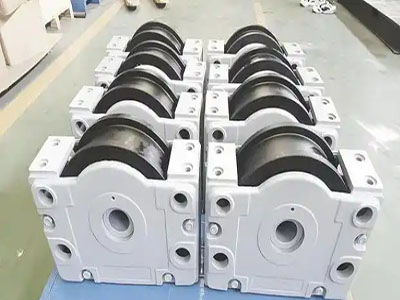
The DRS 315 wheel block features a one-piece cast steel wheel body structure. The wheel flange undergoes high-frequency quenching treatment, achieving a surface hardness of HRC 58-62. which improves wear resistance by more than 3 times compared to the original wheels. The wheel axle is equipped with high-precision spherical roller bearings (self-aligning) with a rated dynamic load of 120kN, capable of easily handling 20-ton heavy loads. This design effectively resists impact stresses caused by high-frequency starting, stopping, and turning, preventing flange wear and bearing damage.
2. Rigorous Environmental Adaptation
Addressing the dust, oil, and high-temperature conditions in the workshop, the DRS 315 utilizes a multi-layer sealing protection structure—a dual-seal design featuring an internal skeleton oil seal plus an external dust cover. This completely blocks metal dust and oil from infiltrating the bearing interior. Additionally, it is equipped with high-temperature resistant grease (operating range: -20°C to 120°C), ensuring stable lubrication performance even in ambient temperatures of 42°C, thus avoiding bearing overheating and seizing.
3. Seamless Compatibility with DEMAG Cranes
Based on the original technical drawings of the DEMAG cranes, the DRS 315 wheel block features a customized dimensional design. With a wheel diameter of 400mm and a width of 120mm, it precisely matches the 600mm rail gauge specifications. The installation mounting holes and wheel axle fit tolerances align perfectly with the crane's trolley frame, achieving a "plug-and-play" seamless replacement without requiring any structural modifications to the crane itself.
4. Low Maintenance & Long-Term Stability
The cast steel wheel body and quenched flange design significantly extend the component's service life. Furthermore, the combination of sealed bearings and high-temperature grease has extended the maintenance cycle from the original 1 month to 6 months. Maintenance now requires only simple visual inspections and lubricant replenishment, significantly reducing maintenance workload and spare parts costs.
Conclusion
The successful application of the DRS 315 Wheel Block System on the DEMAG cranes at the factory fully demonstrates its core adaptive value in heavy-duty cranes operating under high-frequency, heavy-load, and complex environmental conditions.