Demag Wheel System Installation Steps and Precautions
The installation of a Demag wheel block system is a critical process that requires precision, careful planning, and strict adherence to safety guidelines. Proper installation ensures optimal performance, extends the life of the system, and prevents operational hazards. Below is a comprehensive guide outlining the key steps and precautions to follow during installation.
Installation Steps
1.Pre-Installation Preparation
Inspect all components for damage during shipping.
Verify that the installation site meets all specifications, including level surfaces and load-bearing capacity.
Ensure that all necessary tools and safety equipment are available.
2.Positioning the Wheel System
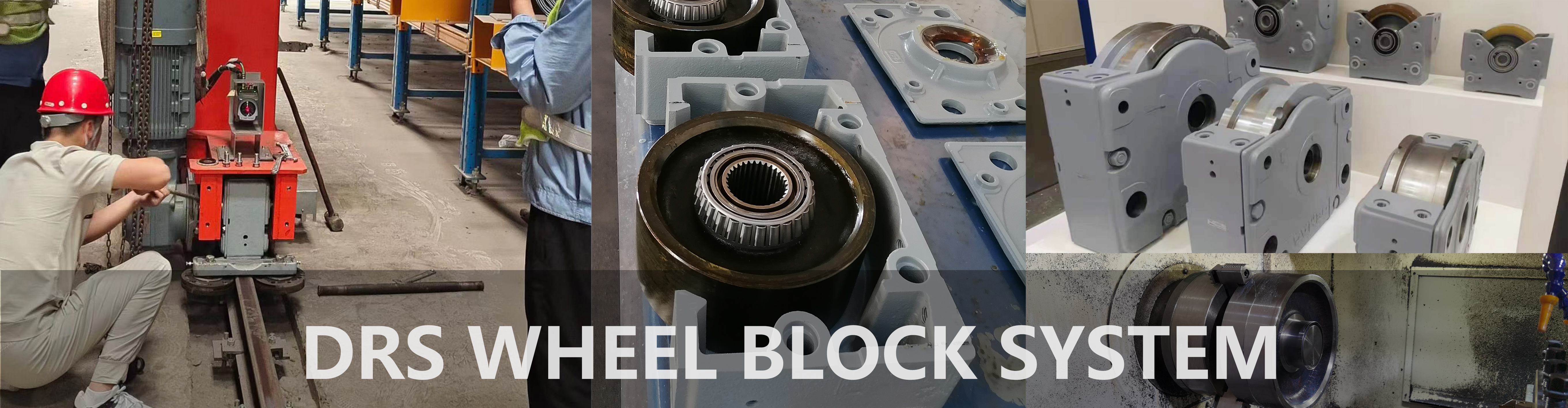
Carefully move the wheel assembly into place using cranes or forklifts as appropriate.
Align the wheels with the track or rail system according to manufacturer specifications.
Use leveling tools to confirm proper alignment and prevent uneven wear.
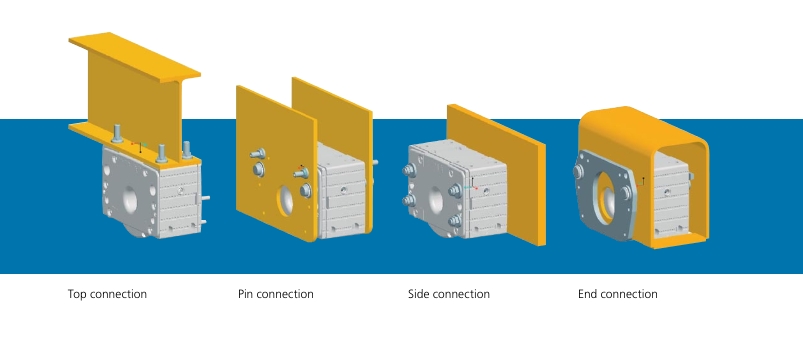
3.Mounting the Wheels
Secure each wheel using the recommended bolts, nuts, and fasteners.
Apply appropriate torque values as specified in the Demag technical manual.
Check for smooth rotation and proper clearance between components.
4.Connection to Drive Mechanisms
Connect the wheel system to the motor or drive assembly following the wiring and mechanical guidelines.
Ensure that coupling devices are properly aligned to avoid excessive vibration or strain.
5.Testing and Adjustment
Perform a slow initial test run without load to check for unusual noise, resistance, or misalignment.
Make necessary adjustments to wheel positioning, track alignment, and tension.
Gradually increase load during testing to confirm safe and smooth operation.
Precautions
Safety First: Always use personal protective equipment (PPE) including gloves, safety shoes, and eye protection.
Follow Manufacturer Guidelines: Deviating from Demag specifications can compromise system integrity.
Avoid Overloading: Never exceed the maximum load capacity of the wheel system during testing or operation.
Regular Inspections: Check for signs of wear, loose fasteners, or misalignment periodically.
Environmental Conditions: Ensure the installation area is free from debris, moisture, or corrosive substances that could affect wheel performance.
Correct installation of a Demag wheel system is essential for ensuring operational efficiency and safety. By carefully following the installation steps and observing all precautions, operators can achieve long-lasting performance while minimizing maintenance needs and operational risks.